MLYCD & the PICU - Our first month roller-coaster ride
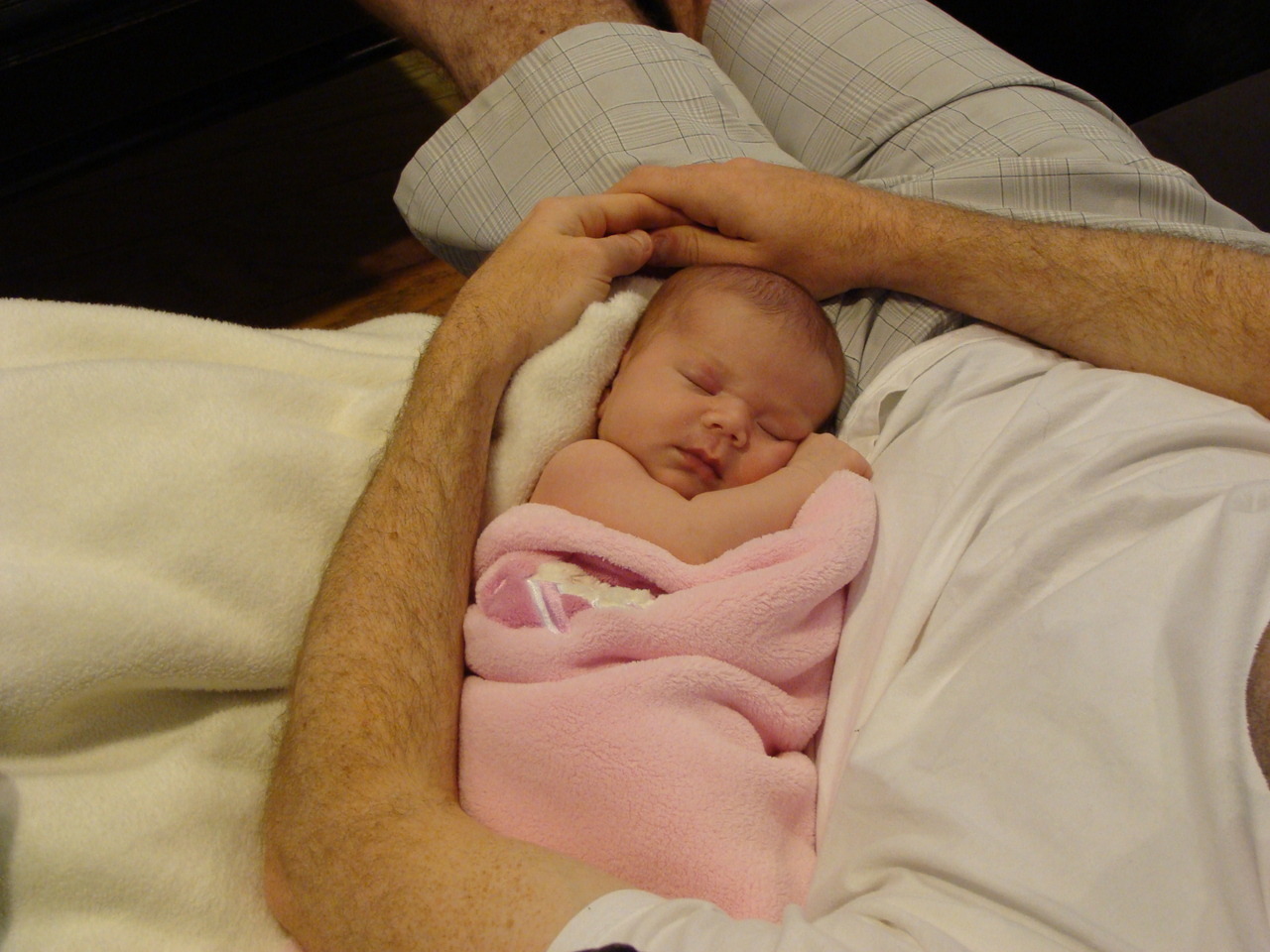
While most of our first month with Delilah has been incredible, there was a major speed bumps early on. We were quiet with most of the details until we were out of the woods and, as of Wednesday, I’m happy to report that the following events all have happy endings…
When Delilah was born she weighed in at 8lbs 4oz. A good weight for a baby girl. Upon our release from the hospital several days later, she checked out at 7 lbs 10oz - within the 10% loss expected after birth. Five days later we had our first pediatrician visit and were somewhat startled to see her weigh in at 6 lbs 5oz (obviously a dramatic drop from her release.) We certainly had noticed how fussy she was, but being first time parents assumed that was par for the course. Also, visually we could not tell she had lost the weight. Our pediatrician noted the weight but since Delilah appeared completely healthy figured that we could come back a few days later to re-weigh (and to make sure she was gaining weight.) Everyone was OK with this and we left the appointment to head home with a plan to increase her consumption.
We were only home for a few hours, when I received another call from the pediatrician. It turns out that just after we left, she was notified by UCLA that Delilah’s Newborn Screening Test had come up with a “positive” flag for one specific genetic disorder. One of the symptoms of the disorder was weight loss, so this dramatic drop scared the doctors enough to have us check in to the Pediatric I.C.U. Once there, the plan would be to run tests to determine what was wrong as well as process the additional tests required to validate or disprove the genetic disorder.
The disorder in question is called Malonyl-coenzyme a decarboxlase deficiency and is extremely rare. I mean EXTREMELY rare. There have been less than 20 reported cases (and most of the documented cases come from inter-related offspring.) This is due to the fact that the genetic mutation is very rare and also auto recessive (meaning both parents must have it and, even then, there is only a 25% chance off passing it along.) Furthermore, the genetic specialist that we were referred to is the one in charge of receiving these tests for the state of California and since they began screening for the disease, this was the first time a positive flag had ever come up in the State (since 2005.) All of these characteristics combine to produce odds of 1/13.6 million that Delilah in fact had the disease. Combined with the high false positive rate, we felt confident but still the fact that she was flagged was devastating. We had to deal with these feelings for nearly three weeks while we waited for the additional tests to come through. Truly awful. The disease itself causes the body to be unable to break down fats properly. While it seems like it might be able to be controlled with diet and medicine, the rarity and the unknowns left little certainty.
Back to the PICU - from the initial blood work they pulled they quickly determined that Delilah was extremely dehydrated. This was done by measuring specific levels within the blood (sodium and chloride seemed to be the key.) The problem was that they had to bring those levels down slowly to avoid scary side effects (brain swelling the most dramatic.) Unfortunately, this recovery process took nearly five days! Delilah was in the hospital room the entire time with an IV in her arm and a giant (relatively speaking) catheter in her leg (this was to help ease the drawing of blood for the tests they’d run every 2-4 hours.) It was truly an awful experience for us all as DeeDee and I would stay by her side from the early morning until late at night. Because she was so young, we were helpless to her screams and could really only soothe her with a pacifier dipped in sugar water. Fortunately, a few days in we were able to hold and comfort her and that helped a great deal. The staff was great, and we were consistently told that this is a relatively common occurrence and very manageable - but to go through it with the thought of the genetic disorder consistently on the mind was really a paralyzing thing. I really don’t know how people get through it with extended periods of similar ailments to their children.
Another agonizing aspect was the actual blood tests. DeeDee and I began to become professionals at understanding the results from blood labs. We knew where the various electrolyte levels should be and were quick to react to each result. Once again though, the process of watching her scream when the blood gets drawn and then wait helplessly for the result was brutal. Then, on occasion, we’d get a lab error that would freak us out. One that I recall specifically was when we were told that we did not want to see the level of CO2 get out of the normal range (as that was a good sign of the metabolic disease we all feared.) Of course, the 2nd to last lab before we left the numbers plummeted to the point that I could see the concern on the doctors face. This was probably the 25th blood test over the course of our stay and this was the first time such a number had been returned. They all felt it was just a lab error, but that was surely the longest 20 minutes of my life as they re-ran the labs and, of course, they came back fine again.
Anyways, we were eventually allowed to return home with a more regimented diet but unfortunately without any confirmation on the genetics test. At least being away from the hospital allowed for us to be distracted from consistently waiting for the results - although at least for me they were always at the forefront of my thoughts. The other problem with being home is that it allowed us to spend endless hours online researching the disease and the newborn screening test in general. From that it was both scary (since there were so many unknowns if she were to have it) as well as optimistic signs (she had no symptoms, recovered well from dehydration, the shear odds, as well as the fact the the screening tests seemed to heavily favor false positives.) Anyways, three weeks later (after jumping on every phone call to check the caller id), we received word that the metabolic genetic specialist had cleared Delilah of any potential disease and we were the proud owners of a happy and healthy baby (who as of yesterday’s one month checkup weighs 9 lbs 6 oz.)
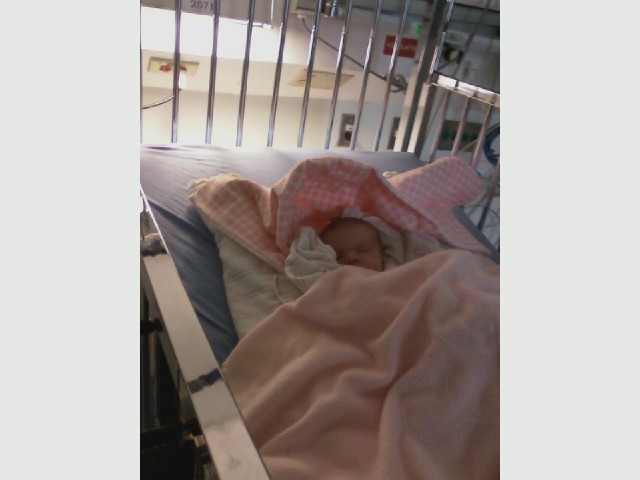
The above picture is the only one I took over the stay in the PICU - and was done so right before we left the room. It was such an awful experience we didn’t want to have any reminders of the time. In addition, looking back it would have been interesting to been blogging each day (as I’m sure the high and lows would have been amazing to read back later.) However, being such a superstitious person I didn’t want to jinx any of the outcomes by putting my thoughts down on paper. I could write a whole editorial on my thoughts on these Genetic Screenings (both the good and bad) but felt that this article did a great job in summarizing what those thoughts would be. In short, it’s really a good thing we have these tests but they really need to find a way to verify or clear the results of the screen in a much quicker fashion.